

Koh Samui
information
Koh Samui Information – Best Time to Visit Koh Samui
The best time to visit Koh Samui is generally from late December through October. Unlike Phuket and Thailand’s Andaman Coast, Koh Samui has a unique tropical climate because it is located in the Gulf of Thailand and faces east. As a result, the island is mainly influenced by the Northeast Monsoon, making its weather considerably different from many other Thai destinations.
Diving on Koh Samui All Year Round
One of the biggest advantages of Koh Samui is that scuba diving is possible throughout the entire year. The Northeast Monsoon usually begins at the end of November and lasts for approximately three weeks. However, as with all weather patterns, its intensity and duration can vary from year to year.
Unlike the Andaman Sea, where the Southwest Monsoon often prevents boat trips between May and September, Koh Samui experiences only minimal effects during this period. This means excellent diving conditions are available for much of the year.
The Best Seasons to Visit Koh Samui
Many travel guides recommend February through April as the ideal time to visit. January and February are particularly pleasant, with average temperatures around 26°C (79°F).
From late February, the hot season begins and lasts until May. During these months, rainfall is minimal and daytime temperatures can occasionally reach 40°C (104°F).
Between June and October, brief tropical rain showers may occur. These showers are usually intense but short-lived, often lasting no more than an hour before sunshine returns. Many locals welcome the rain, as it cools the air and clears away dust.
From October through early December, rainfall becomes more frequent. By mid-December, sunny weather returns, marking the beginning of Koh Samui’s most popular holiday season.
Weather & Diving Trips
As outlined in our Terms & Conditions, the safety of our guests is always our highest priority.
If weather or sea conditions make it unsafe to operate your scheduled diving trip, we will inform you as early as possible. You may then choose to:
- Reschedule your dive trip to another available date, or
- Cancel your booking and receive a full refund of your deposit.
Please note that light rain alone is not a reason to cancel a dive trip. As long as there are no strong winds or unsafe sea conditions, diving can still be excellent—even during brief tropical showers.
Festivals & Events on Koh Samui
Koh Samui hosts a variety of traditional festivals and cultural events throughout the year.
One of the island’s biggest celebrations is Songkran, the Thai New Year, held annually during the second week of April.
During Songkran, people across Thailand celebrate by playfully splashing water on one another—a tradition symbolizing purification, good fortune, and a fresh start for the new year.
Visitors who prefer to stay dry can enjoy colorful parades, cultural performances, temple ceremonies, and traditional Thai food festivals held throughout the island.
Koh Samui – Thailand’s Coconut Island
Located in the Gulf of Thailand, Koh Samui is often called the “Coconut Island” because of its vast coconut plantations, many of which still cover the island’s hills and mountains today.
Covering approximately 230 square kilometers (89 square miles), Koh Samui is Thailand’s third-largest island, after Phuket and Koh Chang.
Tourism began in the 1970s, when the island attracted adventurous backpackers seeking untouched beaches and a relaxed atmosphere. At that time, most local residents earned their living through fishing and coconut farming, and a large percentage of Thailand’s coconuts came from Koh Samui.
Today, visitors from around the world travel to Koh Samui to enjoy its tropical beaches, crystal-clear waters, excellent diving, luxury resorts, vibrant nightlife, and countless outdoor activities.
Thanks to decades of tourism development, the island now offers outstanding infrastructure, accommodation for every budget, and a wide variety of attractions.
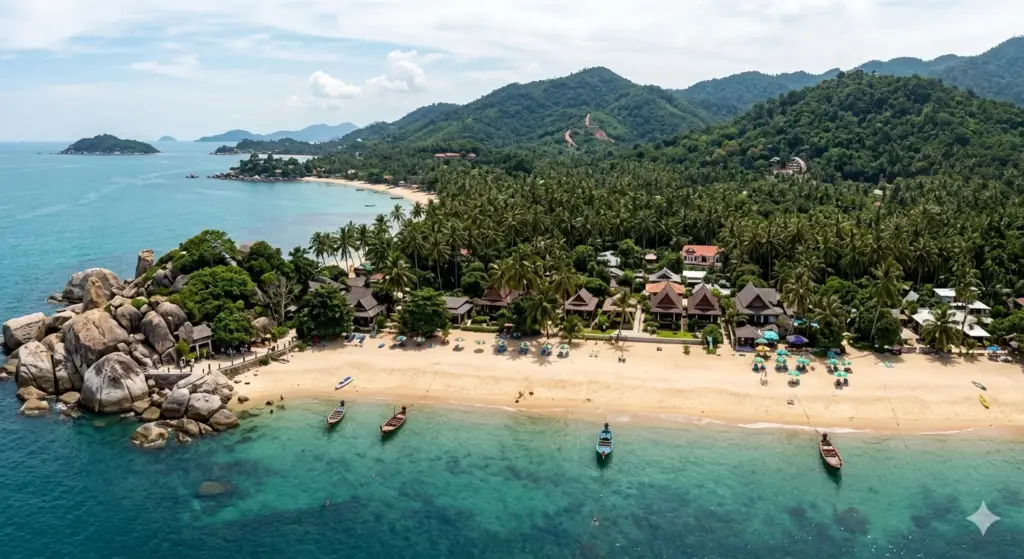
Among the island’s most famous beaches are Chaweng Beach and Lamai Beach, both internationally renowned for their white sand, clear water, restaurants, shopping, and lively atmosphere.
Koh Samui’s Most Popular Beaches
Chaweng Beach
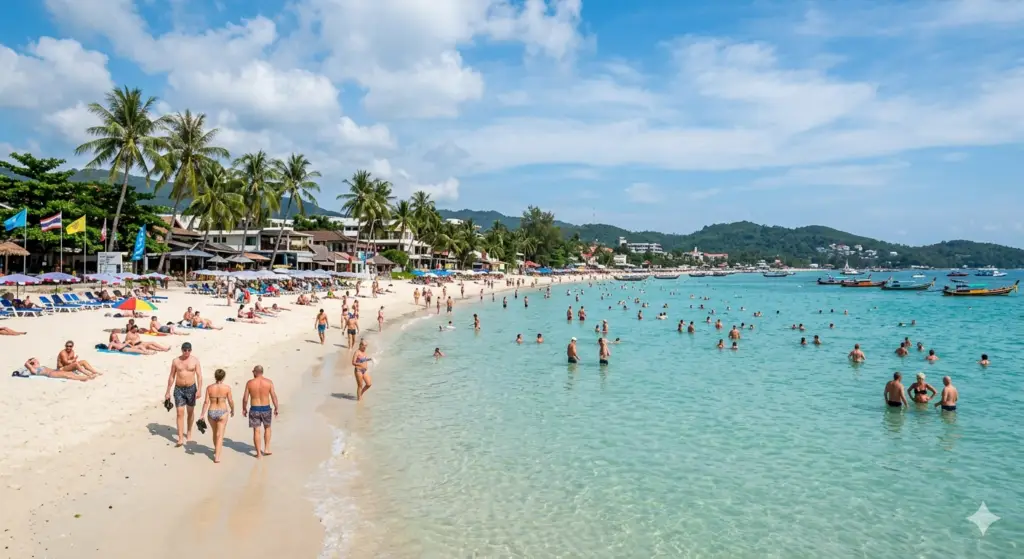
Stretching for approximately 7 kilometers (4.3 miles), Chaweng Beach is Koh Samui’s largest, most famous, and most developed beach. Along its beautiful white sand shoreline, visitors will find accommodation for every budget, from luxury beachfront resorts to boutique hotels and a handful of traditional budget bungalows.
Chaweng is also the entertainment capital of Koh Samui. A wide selection of restaurants, beach clubs, bars, shopping centres, and nightclubs creates the island’s most vibrant nightlife. Whether you’re looking for a relaxed sunset cocktail or an energetic night out, Chaweng has something for everyone.
Choeng Mon Beach
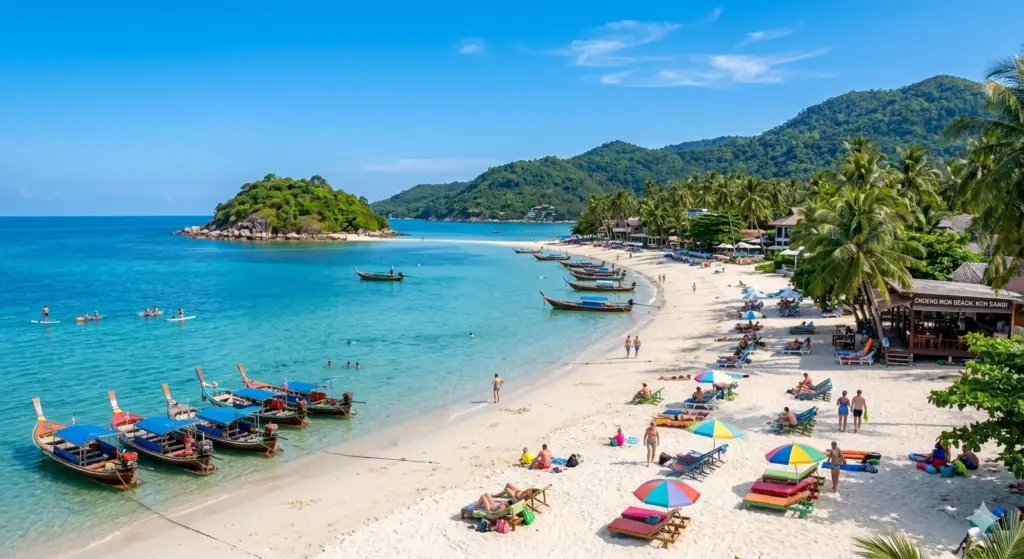
Located in the northeast of Koh Samui, Choeng Mon Beach is a peaceful and picturesque bay known for its soft white sand, crystal-clear water, and relaxed atmosphere.
A small offshore island can be reached on foot during low tide or by kayak, making it a popular spot for families and couples.
Choeng Mon is ideal for travelers seeking a quiet holiday while remaining just 10 minutes from Chaweng Beach and its restaurants and nightlife.
The area is home to several of Koh Samui’s most exclusive luxury resorts. Public access to the beach is available through the resort entrances, which maintain and preserve the beachfront for visitors.
Lamai Beach
Lamai Beach is Koh Samui’s second most popular beach and offers a more relaxed atmosphere than nearby Chaweng.
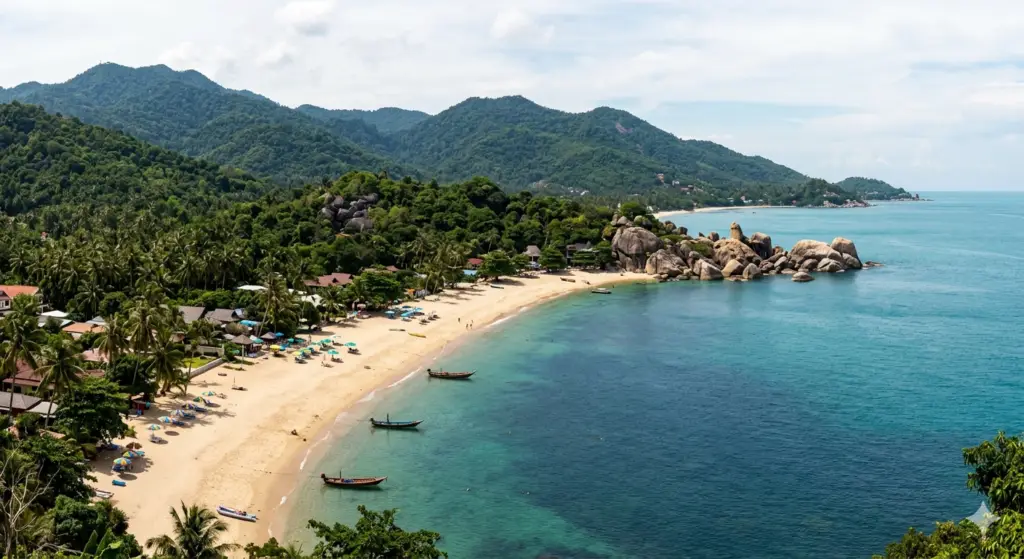
The water is generally deeper, making it excellent for swimming throughout most of the year. The southern section of the beach is particularly beautiful, while the northern end features more rocks and coral formations.
Lamai offers an excellent selection of restaurants, cafés, shops, bars, and entertainment, but with a quieter and more laid-back atmosphere than Chaweng, making it popular with couples, families, and long-term visitors.
Bophut Beach
Bophut Beach perfectly blends traditional Thai charm with a touch of Mediterranean style.
Its famous Fisherman’s Village features beautifully restored Chinese-Thai shop houses, boutique stores, beachfront cafés, and excellent seafood restaurants overlooking the sea.
The pedestrian-friendly streets create a relaxed atmosphere that is perfect for leisurely walks, shopping, and romantic beachfront dinners. Every Friday evening, the popular Fisherman’s Village Walking Street Market attracts visitors from across the island with local food, handmade crafts, live music, and street performances.
Maenam Beach
Located along Koh Samui’s northern coastline, Maenam Beach offers a peaceful setting with a combination of affordable guesthouses, boutique hotels, private villas, and luxury resorts.
Its long stretch of golden sand and calm atmosphere make it an excellent destination for travelers looking to relax away from the busier tourist areas.
Although new restaurants, cafés, shops, and luxury villas have been developed in recent years, Maenam has successfully retained its authentic and tranquil character.
Big Buddha Beach
Big Buddha Beach (Bang Rak Beach) is conveniently located close to Samui International Airport and the island’s most famous landmark, the Big Buddha Temple (Wat Phra Yai).
The area offers a relaxed atmosphere with a wide selection of beachfront restaurants, cafés, and resorts at reasonable prices. It is also a popular departure point for boat trips to Koh Phangan and Koh Tao.
Big Buddha Beach is also known for hosting the popular Secret Garden Music Festival, attracting both visitors and locals with live music, food, and a vibrant beachfront atmosphere.